Why Water Heaters Struggle in Winter (And How to Fix It)
Why Water Heaters Struggle in Winter (And How to Fix It)
Water heaters in Nebraska work harder during the winter than at any other time of year. As temperatures drop, incoming groundwater becomes significantly colder, often reaching the mid-30s. This forces the water heater to run longer and more frequently, increasing wear and reducing overall performance. Many homeowners in La Vista and Omaha notice slow heating, reduced hot water supply, or pilot light outages during the coldest months.
Understanding why water heaters struggle in winter can help prevent breakdowns and ensure consistent hot water all season long.

Colder Incoming Water Reduces Efficiency
The most common cause of winter water-heater problems is the drastic drop in groundwater temperature. When frigid water enters the tank, it takes longer to heat and increases the demand on the heating elements or burner. Older systems or units with sediment buildup often cannot keep up.
If you notice consistently lukewarm water or longer wait times for hot water, your system may be under strain.
Increased Household Hot Water Usage
Winter months naturally lead to higher hot water consumption. Families take longer showers, run more laundry cycles, and use warm water for cleaning. This increased demand can push older or undersized units beyond their limits, causing reduced supply or intermittent cold bursts.
Households with 40-gallon tanks often experience the biggest drop in hot water availability during peak winter usage.
Sediment Buildup Becomes More Noticeable in Winter
Sediment naturally accumulates at the bottom of water heaters, but winter usage patterns make the problem more obvious. Sediment insulates the burner or heating element, requiring more energy to heat the same amount of water. This reduces efficiency, increases energy costs, and shortens the lifespan of the unit.
Flushing the tank at least once per year is one of the most effective maintenance steps homeowners can take.
Pilot Light and Ignition Issues in Gas Units
Cold air and drafts can affect gas water heater pilots and ignition systems. If the pilot light goes out frequently or the burner hesitates, winter temperatures may be contributing to the issue. Gas units located in garages or unheated basements are particularly vulnerable.
Persistent pilot outages or intermittent heating should be diagnosed by a licensed technician to prevent further damage.
Signs Your Water Heater May Be Failing
Winter often exposes underlying issues that have been developing for months or years. Common warning signs include:
– Water taking significantly longer to heat
– Frequent pilot outages
– Rust-colored water
– Popping or banging noises from the tank
– Water pooling at the base of the heater
Water heaters typically last 8–12 years. Units older than this are at higher risk of winter failure.
When to Call a Professional
If your water heater is struggling to keep up during cold weather, professional maintenance or replacement may be necessary. Addressing problems early can prevent emergency breakdowns and protect your home from water damage.
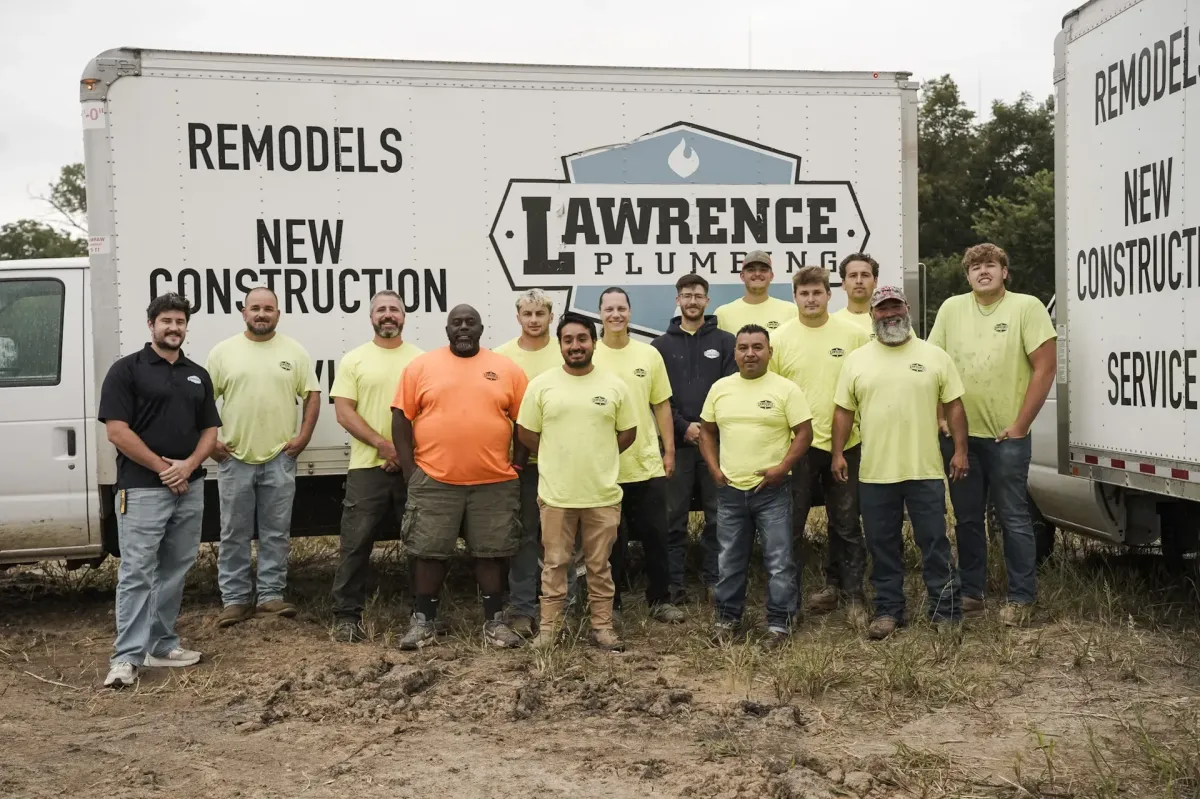
Lawrence Plumbing provides water heater repair, replacement, and inspection services throughout La Vista, Omaha, Bellevue, Papillion, and surrounding areas. We can assess your system, identify the cause of the issue, and recommend the most efficient solution.
Schedule Your Water Heater Inspection
Keep your home comfortable this winter.
Schedule your water heater inspection today for reliable service and peace of mind.
Schedule Your Winter Inspection
Need help winter-proofing your home? Schedule your winter plumbing inspection today for reliable service and peace of mind throughout the season.
